Traveling? Here's how to stay calm and prepared as a Caregiver.
Below I’m sharing my most practical travel tips for family caregivers. Traveling with an aging loved one (especially during the hectic holiday season) can be emotionally and logistically overwhelming; here’s how to navigate travel with confidence, patience, and peace, no matter the time of year.
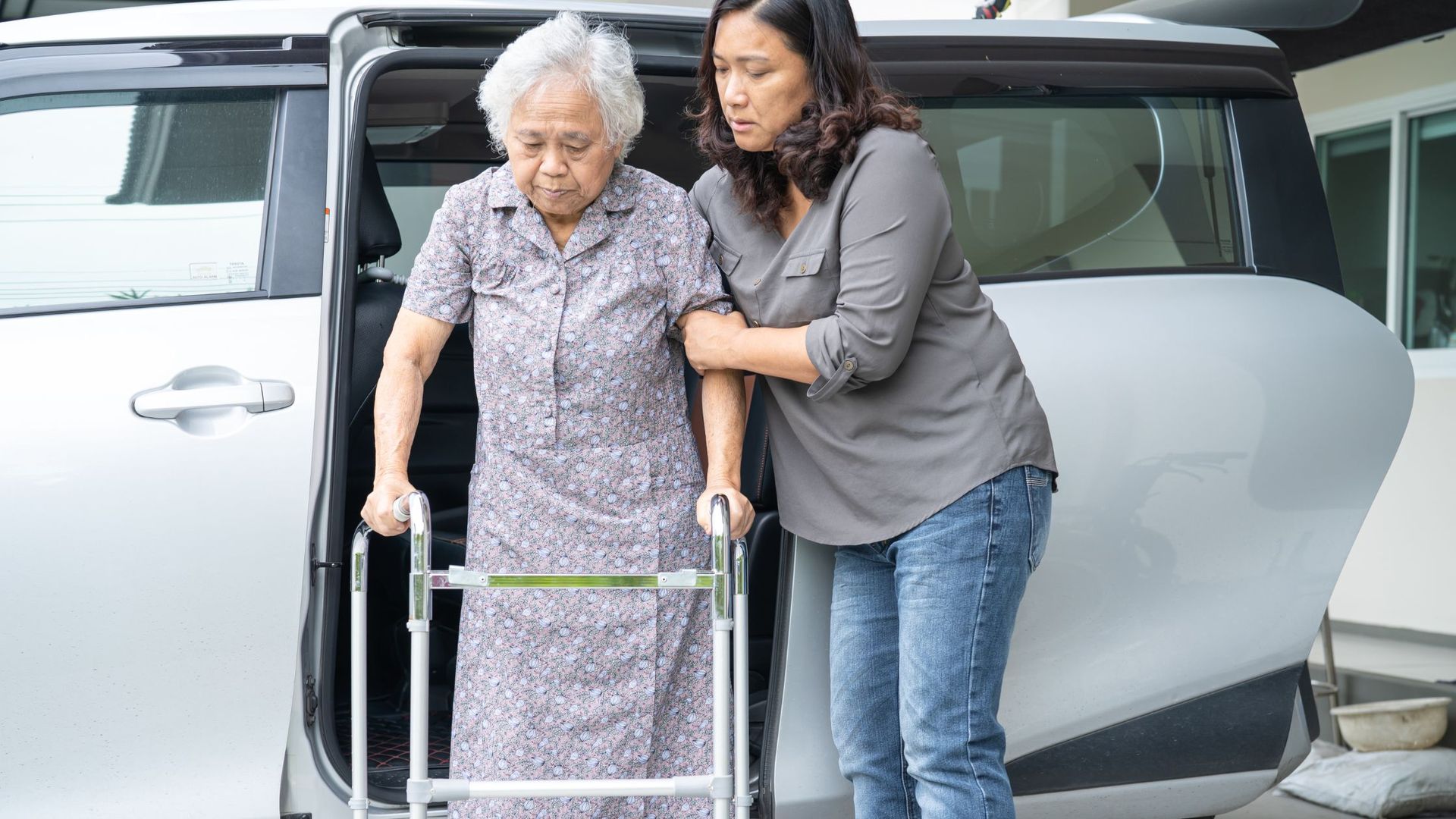
This holiday season felt very different for our family. We had just lost someone we love deeply, and in the middle of grief and final arrangements, I found myself traveling out of state with my mom, who lives with both mobility and cognitive challenges.
Traveling with a loved one is never simple, but navigating airports during the holidays, with shoulder-to-shoulder crowds, long lines, constant noise, and heightened emotions, adds an entirely new layer of stress.
As we made our way through the airport, my attention was split in a hundred directions: keeping her meals on schedule, planning regular bathroom breaks, watching closely in unfamiliar spaces, and helping her stay calm when the noise and movement became overwhelming. All the while, we were both carrying the emotional weight of loss.
That experience was a powerful reminder of how much family caregivers carry—often quietly—balancing logistics, emotions, and deep love all at once.
If you’re preparing to travel with an aging loved one this holiday season, or at any time, please know you’re not alone, and the care you’re providing truly matters. Below are a few sanity-saving tips that helped me, and I hope they help make your journey a little smoother, too.
Irene’s Top Travel Tips for Family Caregivers:
1. Allow Extra Time
When you’re caring for someone else, timelines naturally stretch. Add holiday crowds or busy travel hubs, and rushing quickly becomes overwhelming.
Plan for at least 30–45 extra minutes at every stage including leaving the house, navigating security, boarding, restroom breaks, and transitions. That cushion can be the difference between stress and steadiness.
2. Make a Portable Comfort Kit
A small, easily accessible bag of essentials can be a true lifesaver. Having everything in one place helps prevent panic when your loved one (or you) suddenly needs something.
Helpful items include:
- Snacks and water
- Medications and prescription info
- A soft sweater or blanket
- Noise-canceling headphones or earplugs
- A simple, familiar activity (music, photos, a book)
- Backup chargers
- Tissues or wipes
3. Anchor the Day with Familiar Habits
Travel can be deeply disorienting, especially for someone with cognitive challenges. Familiar routines provide comfort when everything else feels unfamiliar.
Try to keep meals, medications, and bathroom breaks close to their usual schedule.
Bringing a familiar item like a scarf, blanket, or scent from home can help your loved one feel grounded.
Small touches of familiarity can have a powerful calming effect.
4. Choose Lower Stress Over Faster Options
The “fastest” option is rarely the most peaceful. When traveling as a caregiver, prioritize what’s easiest on both of you.
- That may mean choosing:
- Direct flights
- Accessible or aisle seating
- Early boarding
- The smoothest walking route
- Valet or close drop-off options
This is the time to conserve energy, not prove efficiency.
5. Travel When the Raleigh Roads Are Quiet
Many older adults naturally wind down earlier in the evening. If you’re facing a long drive, consider using that routine to your advantage.
For road trips, starting after evening rush hour can dramatically reduce traffic and stress. Leaving areas like Garner, Fuquay-Varina, or Clayton once roads clear can make highways like I-40 or I-95 far more manageable.
Helpful extras:
- Bring a pillow and light blanket for neck support
- Choose calming audio (comedy, audiobooks, talk radio, or their favorite music)
- Load puzzle or simple game apps on a phone or tablet in case your loved one wakes
You may arrive a little later, but the calmer journey is often worth it.
6. Ask for Support in Advance
Before traveling, a quick phone call can significantly ease the experience. A 5-minute phone call helped me arrange wheelchair assistance and early check-in ahead of time eliminating unnecessary stress.
Ask about:
- Wheelchair or escort services
- Shorter or quieter routes
- Early boarding
- Accessible restrooms
- Calm waiting areas
A few minutes of planning can prevent hours of overwhelm.
7. Water Matters More Than You Think
Dehydration can worsen fatigue, confusion, irritability, and fall risk. Bring water and encourage small, frequent sips.
And don’t forget yourself! Caregivers often overlook their own hydration. Taking care of your body supports your ability to care for someone else.
8. Lead with Calm
Travel can overload the senses, especially for someone with dementia.
- Use short, gentle phrases.
- Offer reassurance.
- Redirect when needed.
- Keep your tone steady, even when things feel chaotic.
Your calm presence helps regulate theirs.
9. Bathroom Breaks Prevent Big Stress
Before boarding anything whether it’s a plane, train, or shuttle, guide your loved one to the restroom, even if they say they don’t need to go.
In dementia care, gentle prompting is often more effective than waiting until it’s urgent.
This simple step can prevent discomfort, anxiety, and even embarrassment later.
10. Strength is Asking for Help
It’s ok to ask for help. Really!
Airport staff, drivers, family members, and hotel employees are there to support you.
Being capable doesn’t mean doing everything by yourself. Shared effort lightens the emotional load.
11. Redefine a Successful Trip
The goal isn’t a flawless journey, it’s about arriving safely and staying emotionally steady.
- Plans may change.
- Emotions may surface.
- Breaks may be needed.
All of that is okay.
Caregiving during travel is intense emotional labor. Be kind to yourself.
12. Plan for Rest
Once you arrive, pause before jumping into plans. Both you and your loved one need time to decompress.
- Rest.
- Eat.
- Sit quietly.
- Reorient.
That moment of stillness can make the rest of the visit more manageable.
Grace Is Part of Caregiving
Caregiving is meaningful, but it’s also a heavy lift. Add travel, grief, holidays, or unpredictability, and the weight multiplies.
You are showing up with love. You are doing the best you can. That matters more than anything else.
If you ever need guidance, support, or extra help caring for your loved one in the greater Raleigh, NC area, No Place Like Home Senior Services is here for you.
Please contact Irene with No Place Like Home Senior Services at 919-762-0035.